2025 was the kind of forex year that exposed every weak habit a trader thought they could “manage later.”
The market kept changing character. In January, the dollar was hovering near a two-year high as traders repriced Fed cuts, inflation data, and tariff risk. By March, Reuters was reporting that the dollar had weakened against every major developed-market currency except Canada’s, as tariff uncertainty started hurting confidence in the U.S. outlook. Then April delivered a fresh volatility shock, and by year-end Reuters described 2025 as a “rollercoaster ride,” with developed-market currency volatility having spiked to two-year highs in April. Sterling itself was on track for its most volatile year since 2022.
That backdrop mattered because bad trading habits do not stay hidden in a year like that. They get punished.
Below 5 are the top Forex trading mistakes forex traders repeated in 2025, why they were so damaging, and what to do differently going forward.
Why 2025 punished sloppy forex trading habits
A lot of traders lost money in 2025 not because they had no strategy, but because they had no process for adapting to changing conditions. Markets swung between rate-driven moves, tariff headlines, safe-haven flows, fiscal worries, and bursts of headline volatility. That kind of environment punishes oversized positions, weak stop placement, correlated overexposure, and emotional news trading.
It is also worth keeping perspective: the CFTC says two out of three retail forex traders lose money each quarter, and the agency warns that off-exchange retail forex can be extremely risky and sometimes outright fraudulent. That makes risk control and due diligence just as important as chart reading.
1) Overleveraging in a market that was moving faster than traders expected
This was probably the biggest repeat mistake of 2025.
When volatility rises, leverage becomes far more dangerous than it looks on paper. Reuters reported that developed-market FX volatility spiked to two-year highs in April, while the dollar index had already suffered a drop of more than 3% in the prior week as tariff fears reshaped sentiment. In the U.K., 48% of surveyed businesses said sterling’s swings had cost them money in 2025, and Reuters said the pound was heading for its most volatile year since 2022.
The problem is simple: many traders size positions based on what their broker allows, not on what their account can actually survive. CME’s risk education makes the same point in plain language: traders should not trade the maximum size margin permits, and they should use stops that fit their risk tolerance. NFA rules also warn that partial funding increases leverage and can lead to more frequent and larger margin calls.
Example:
A trader with a $5,000 account risks 3% on EUR/USD, then adds GBP/USD because “they look different.” In reality, both trades are heavily USD-driven. One inflation surprise or tariff headline later, both positions move against them at the same time.
How to avoid it going forward
- Risk a fixed, small percentage per trade, not a random lot size.
- Reduce size when ATR or daily range expands.
- Treat correlated positions as one risk idea, not multiple opportunities.
- Build your position size around the stop loss, not around the margin available.
A good baseline for many retail traders is to keep risk per trade modest and cut that risk even further during high-impact weeks.
2) Trading major news releases without a real plan
Another mistake traders repeated in 2025 was confusing “being active” with “being prepared.”
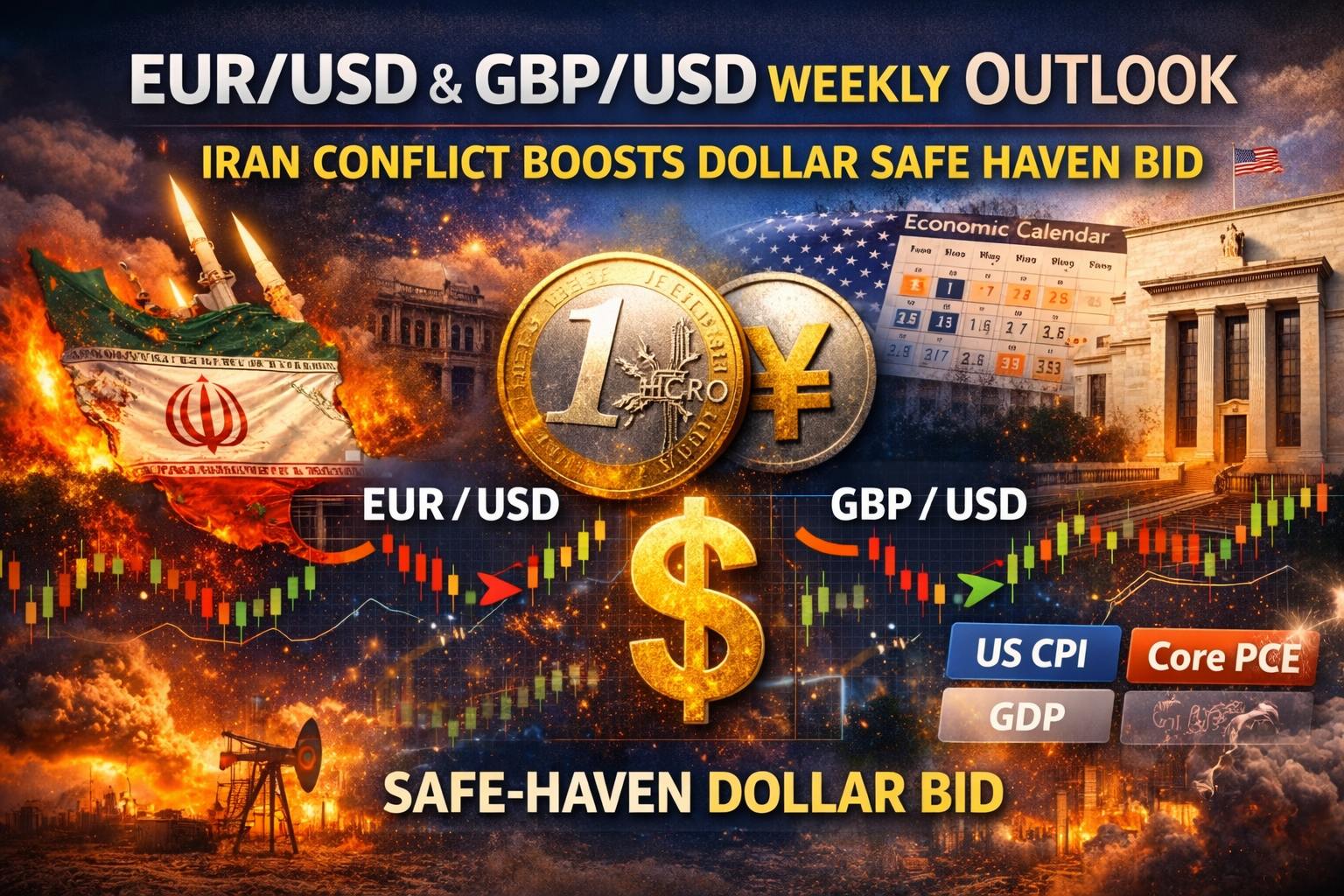
Reuters noted in January that tariff stories were the main driver for FX price action, even ahead of CPI. Myfxbook’s economic calendar explains why this matters: high-impact releases such as CPI, GDP, rate decisions, and jobs data are exactly the events traders use to anticipate market movement and manage risk. The platform also highlights that impact rankings and event history can help traders prepare rather than react blindly.
Yet many traders kept doing the same thing:
- entering right before CPI,
- widening stops after a spike,
- chasing the first candle,
- or holding positions through red-folder events without adjusting size.
That is not news trading. That is gambling with better branding.
Example:
A trader sees U.S. CPI due in 10 minutes, notices EUR/USD is “quiet,” and decides to enter early so they can catch the breakout. CPI comes in off-consensus, spreads widen, the first move reverses, and they are stopped out before the real direction even forms.
How to avoid it going forward
- Check the economic calendar before every session.
- Mark the high-impact events tied to the currencies you trade.
- Decide in advance whether you will trade the release, wait for the first reaction, or avoid it entirely.
- If you run EAs, reduce risk or pause entries around red-folder events.
A simple rule helps: never make your first decision about a news event after the number is already out.
3) Treating correlated trades like separate opportunities
In 2025, USD direction dominated far more setups than many traders realized. Reuters showed that by mid-January the dollar was near a 26-month high, while by March it had weakened against nearly every major developed-market currency except Canada’s. That kind of macro swing means multiple pairs may look like independent setups while actually expressing the same underlying theme.
This is where traders get into trouble:
- long EUR/USD,
- long GBP/USD,
- long AUD/USD,
- and maybe short USD/CHF,
all at the same time.
That is not diversification. That is stacked anti-USD exposure.
Example:
A trader risks 1% on each of four pairs because each chart “looks clean.” In practice, they have built a 4% macro bet on one dollar narrative. One surprise tariff headline or rates repricing event hits, and the drawdown lands all at once.
How to avoid it going forward
- Group trades by theme: USD weakness, risk-on, yield divergence, safe haven flow.
- Cap total exposure to one currency or one macro view.
- Track portfolio heat, not just single-trade risk.
- If three trades win or lose for the same reason, count them as one basket in your journal.
One of the easiest upgrades a trader can make is moving from “trade-by-trade thinking” to portfolio thinking.
4) Following unverified signals, offshore brokers, and social-media gurus
This one got worse, not better.
The CFTC says it has seen an increase in complaints from customers who deposited large sums with unregistered offshore forex dealers they found through social media friendships or recommendations. The agency also warns traders not to trust online tips, testimonials, or recommendations blindly, especially from influencers selling signals, platforms, software, or classes. Its advice is clear: check registration and disciplinary history before you trade, using the CFTC’s registration tools and the NFA BASIC database.
That means one of the most expensive mistakes traders repeated in 2025 was not just taking bad trades. It was trusting bad sources.
Example:
A trader joins a Telegram group promising “90% win-rate forex signals,” opens an account with an offshore broker they never vetted, funds it through crypto, and discovers the problem only when withdrawals become difficult.
How to avoid it going forward
- Verify firms and individuals before sending money or copying trades.
- Use the CFTC registration check and NFA BASIC for background research.
- Be skeptical of “guaranteed” returns, affiliate-heavy hype, and brokers that make withdrawals unclear.
- Prefer transparent, independently trackable performance over screenshots and testimonials.
The best traders are not only selective with setups. They are selective with who they trust.
5) Refusing to adapt when market regime changed
This was the subtle mistake behind many losing months in 2025.
The year did not follow one clean macro script. January was dominated by a strong-dollar, rates-and-tariffs story. By March, Reuters said the dollar had weakened against nearly all developed-market peers. April then brought another volatility shock, and later in the year sterling volatility and broader FX uncertainty rose again. In other words, 2025 rewarded traders who could recognize regime change and punished traders who kept forcing the same playbook in every condition.
A trader who only knows how to trade breakouts will struggle when price becomes headline-driven and mean-reverting. A trader who only knows how to fade spikes will get run over when macro momentum actually persists.
Example:
A trader has a strategy that worked well in a quiet trend environment in late 2024. In 2025 they keep using the same fixed stop, same session rules, and same position size even after daily ranges and event risk change dramatically. The setup itself is not always bad. The context is.
How to avoid it going forward
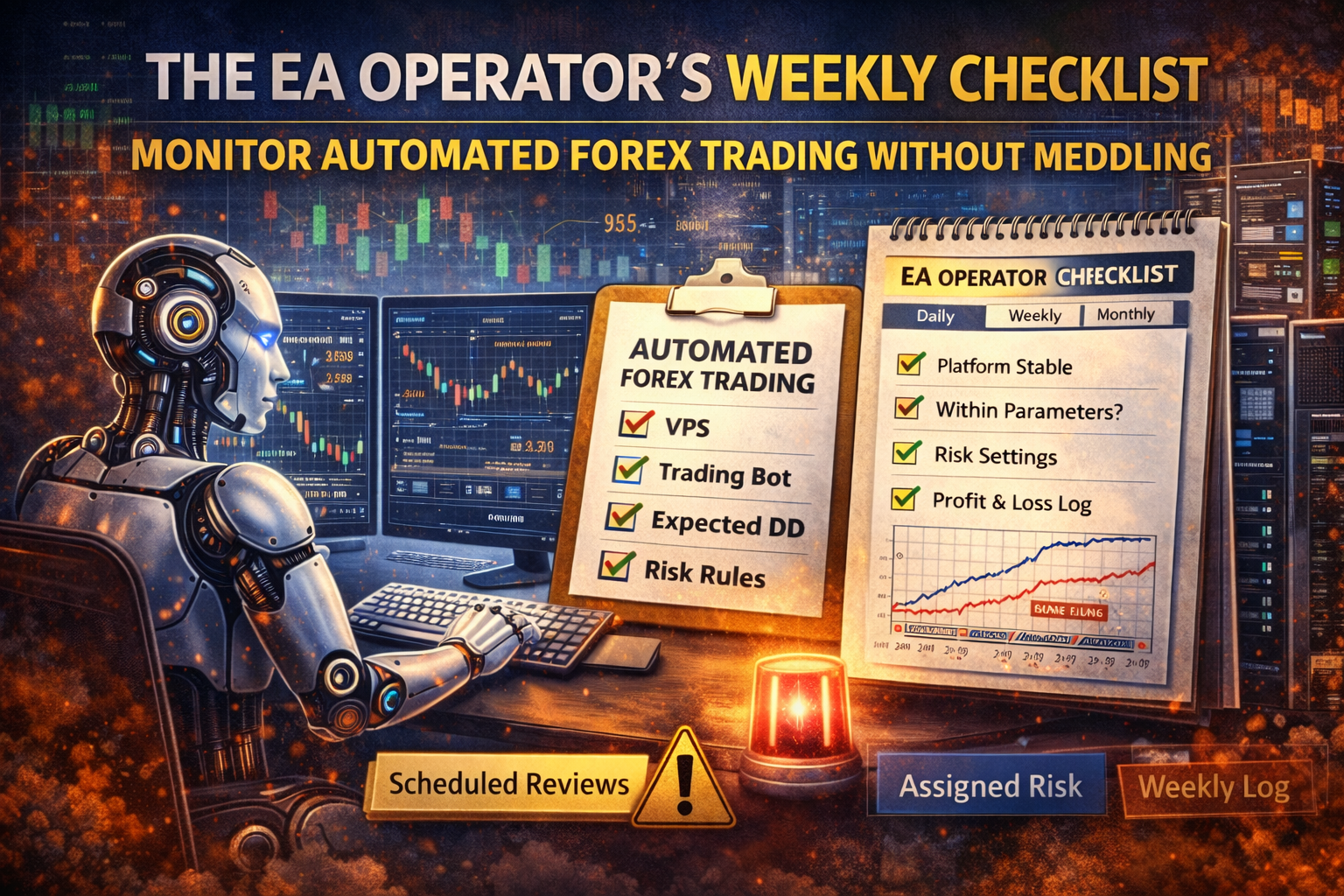
- Review your trades weekly, not just monthly.
- Track which setups work in trend conditions versus event-driven or range conditions.
- Reduce size when your edge is not in sync with the current environment.
- Keep a short “regime checklist” before the week starts:
- Is the market rate-driven?
- Is tariff or geopolitical risk dominating?
- Are ranges expanding or compressing?
- Which currencies are reacting most cleanly?
Adaptation is not abandoning your system. It is protecting your system from conditions it was never built for.
The practical reset: what good forex traders should do differently now
If there is one lesson from the top forex trading mistakes of 2025, it is this:
good performance is usually the result of boring discipline, not dramatic predictions.
A stronger process for 2026 and beyond looks like this:
- size small enough to survive volatility,
- plan around major calendar events,
- measure correlated exposure across your open positions,
- verify every broker, signal source, or educator,
- and review your results often enough to spot regime change early.
Those five habits will do more for your account than another indicator ever will.
Good resources forex traders should actually use
These are genuinely useful, credible resources:
- Myfxbook Economic Calendar for high-impact events, historical data, and planning weekly risk.
- CFTC Registration Check to verify whether a firm or individual is properly registered before you trade with them.
- NFA BASIC for background, regulatory, and disciplinary checks.
- CFTC Forex Fraud Advisories for scam red flags and retail forex warnings.
- CME Risk Management Education for position sizing, stop placement, and market-risk basics.
Final thoughts: avoid repeating 2025’s forex trading mistakes
The top 5 trading mistakes forex traders repeated in 2025 were not exotic. They were familiar:
- too much leverage,
- poor news preparation,
- hidden correlation,
- weak due diligence,
- and a refusal to adapt.
That is good news, because familiar mistakes can be fixed.
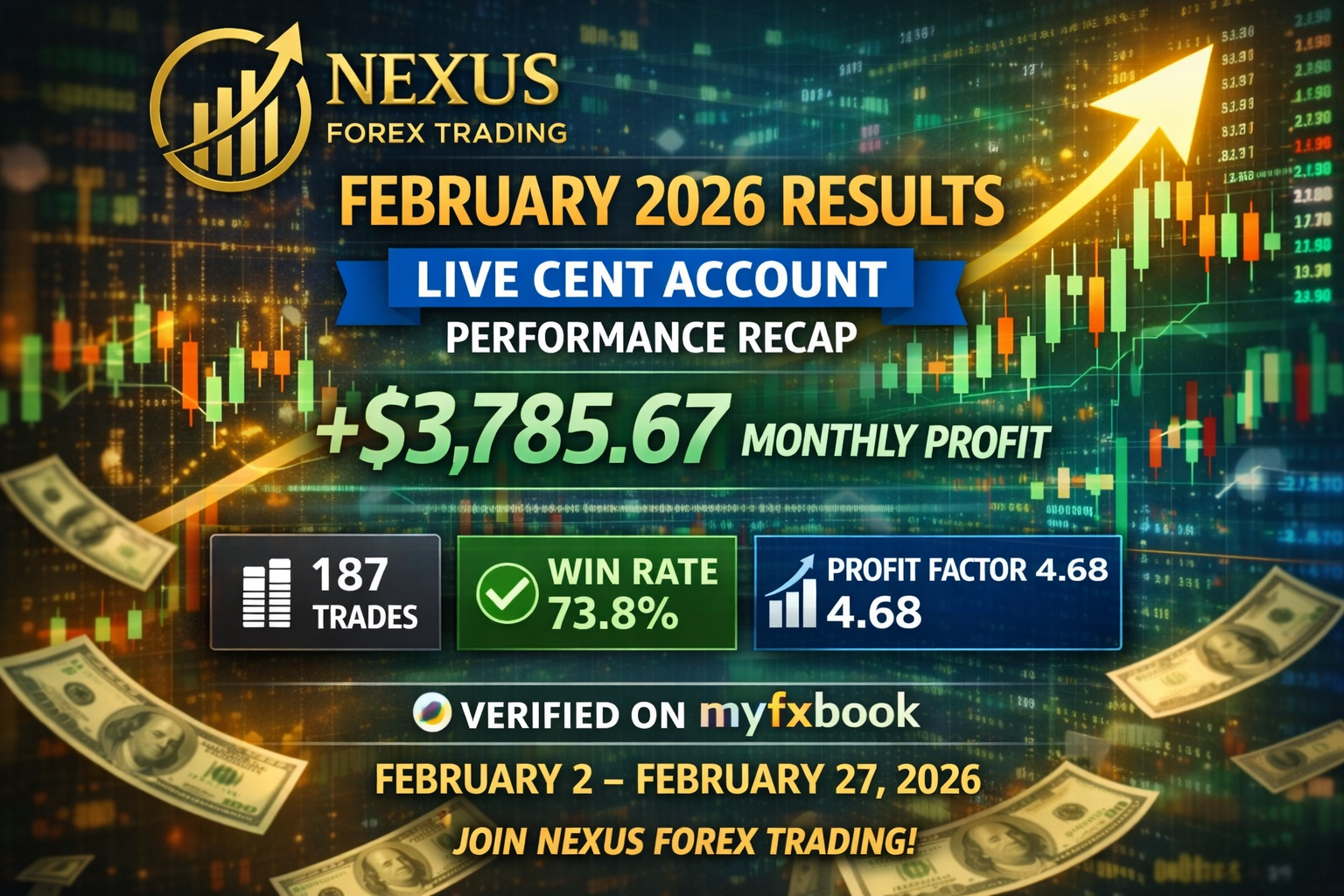
If you want a more structured way to trade EUR/USD and GBP/USD with risk-first logic, verified performance, and a more disciplined approach to automated execution, Join Nexus Forex Trading. Nexus is built for traders who care less about hype and more about steady growth, controlled drawdown, and a process they can actually stick to.